Rob AyerstClose Icon

360 Coolerbox

360 Cooler Box

Company

Graphic Packaging International

Platforms

Paperboard on high-speed gluers and automated loading

Tools

ArtiosCAD, Rhino, Illustrator

Date

Summer 2016

My Role

Creative Structural Design, Graphic Design, Instructional Design, Patent Submission

View the Project
Scroll Down to View
Quick tailgate solution to beat the summer heat

For years, the beer industry has been chasing a concept for promotional packaging that merges the utility of a traditional cooler into standard, paperboard packaging. After becoming unenthused with the standard catalog of cooler-esque packages, a major client requested a new, outside the box design. Check out how I transformed a never produced concept into a manufacturable, proprietary, functional coolerbox ... the Cooler 360!

The history of coolerbox Projects

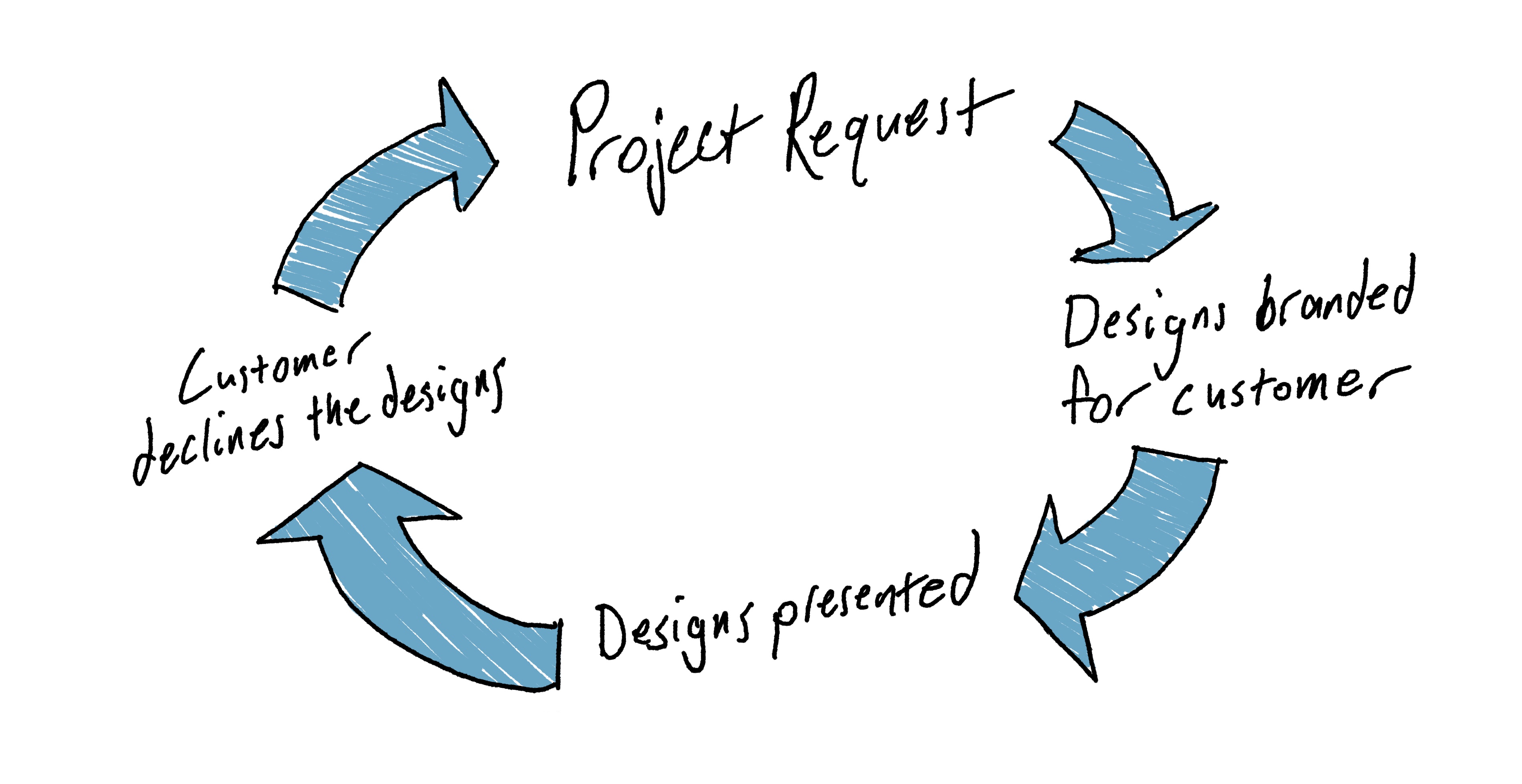
History repeats itself, and in two years I saw coolerboxes come through the design pipeline three or four times. Here's how the process would go ...

1. Customer requests Coolerbox Concepts

Design requests would come through our account executives who would manage the timeline, expectations and transfer the project to the design innovation team.

2. gPI gathers designs

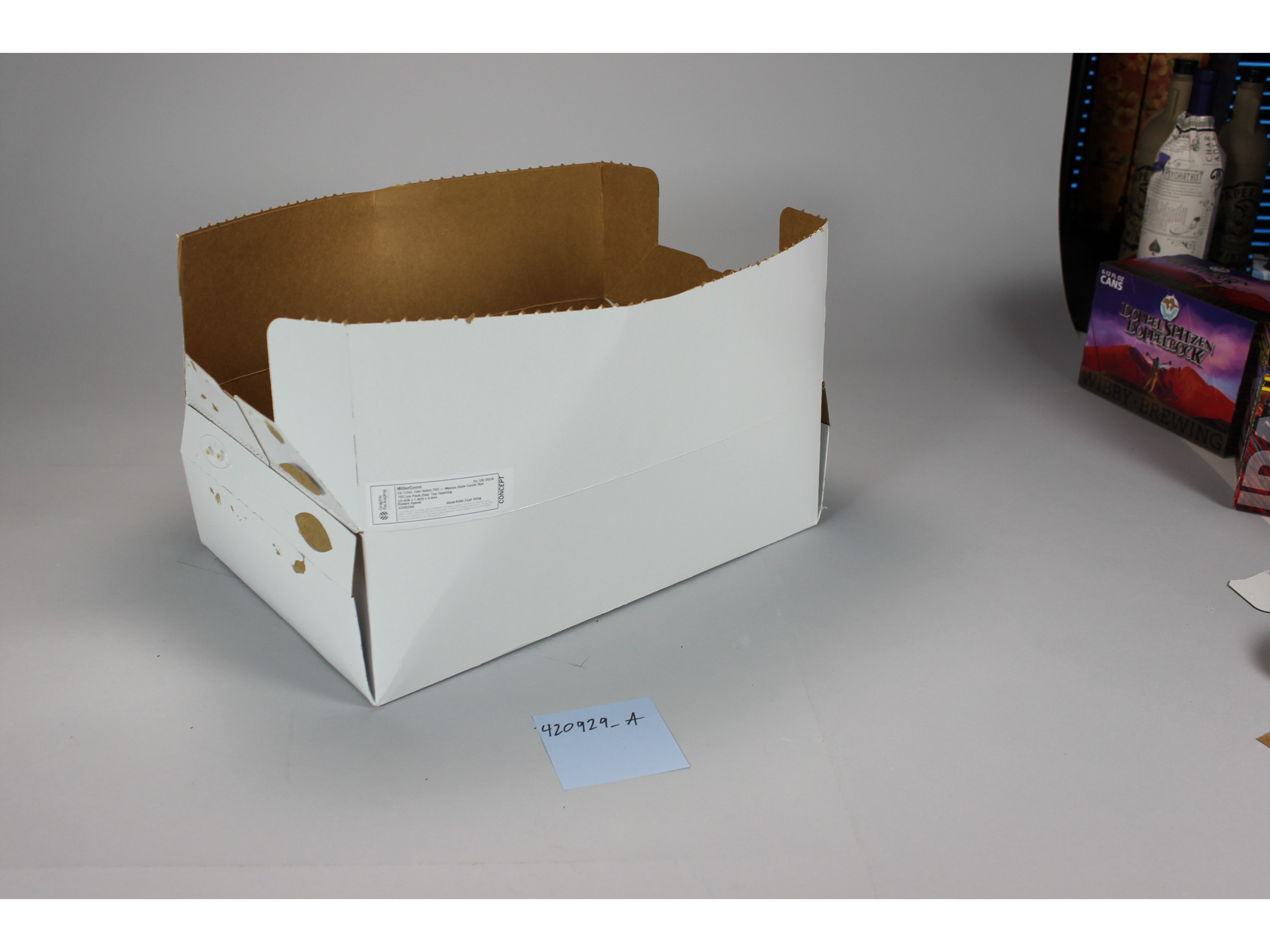
The design team would quickly put together a portfolio of coolerbox variations from our expansive catalog of vetted structural designs - usually keeping with a tight timeline. We would size the packages per the customer's specific containers and make prototypes.

3. designs are shared with customer

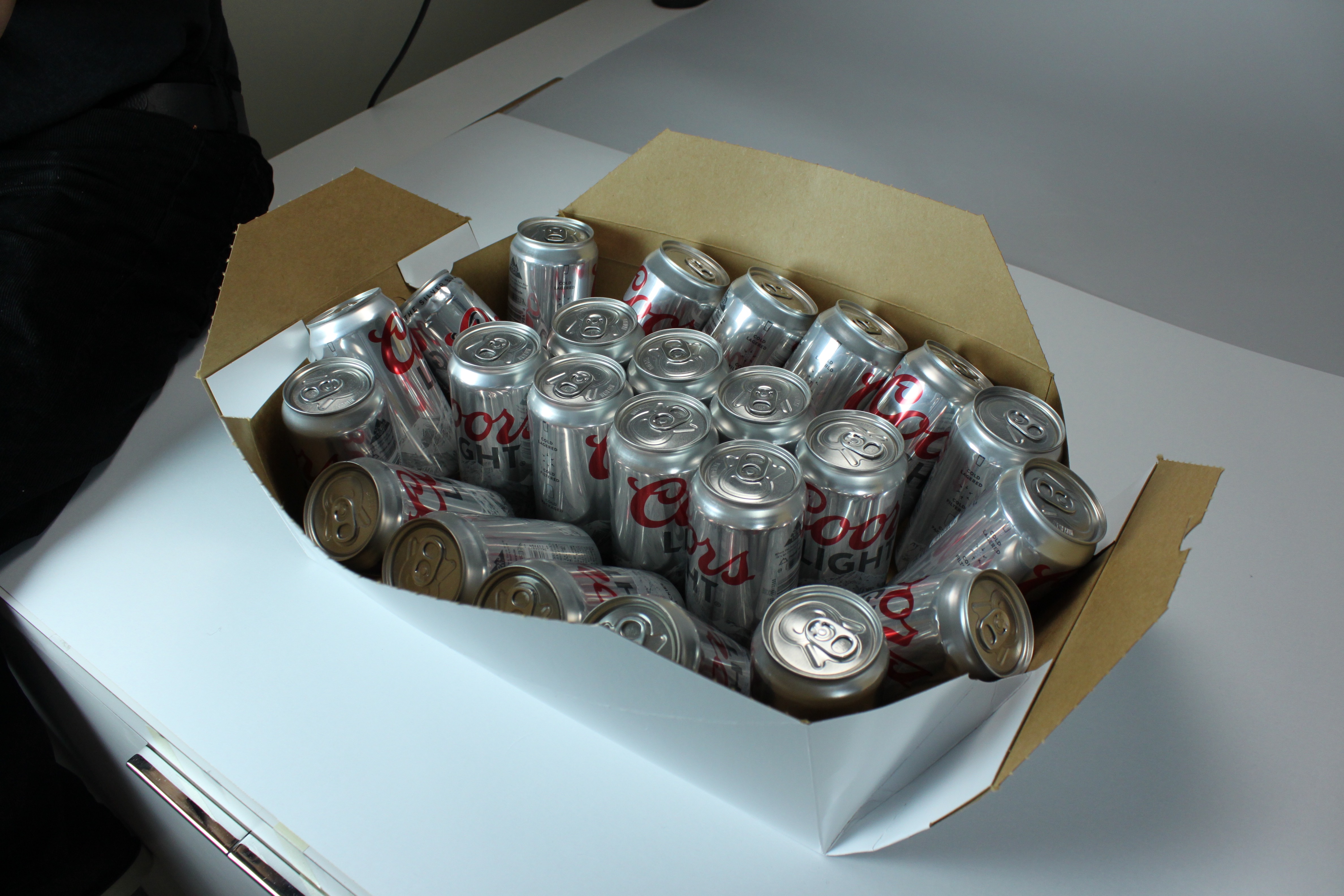
The design team would make prototypes, load with the customer's branded cans, and take pictures to share. We would also make flat-folded protoypes that would be mailed to the customer to be hot glued together so they could have tangible versions to help inform their decisions.

4. customer declines to purchase

Every time I saw a coolerbox project come through, it would end up being prohibitively expensive. The die line itself would typically be at least twice the size which would blow up the price per box. Additionally, many of the designs would require hand loading, making the project a non-starter for the bluechip clients we worked with.

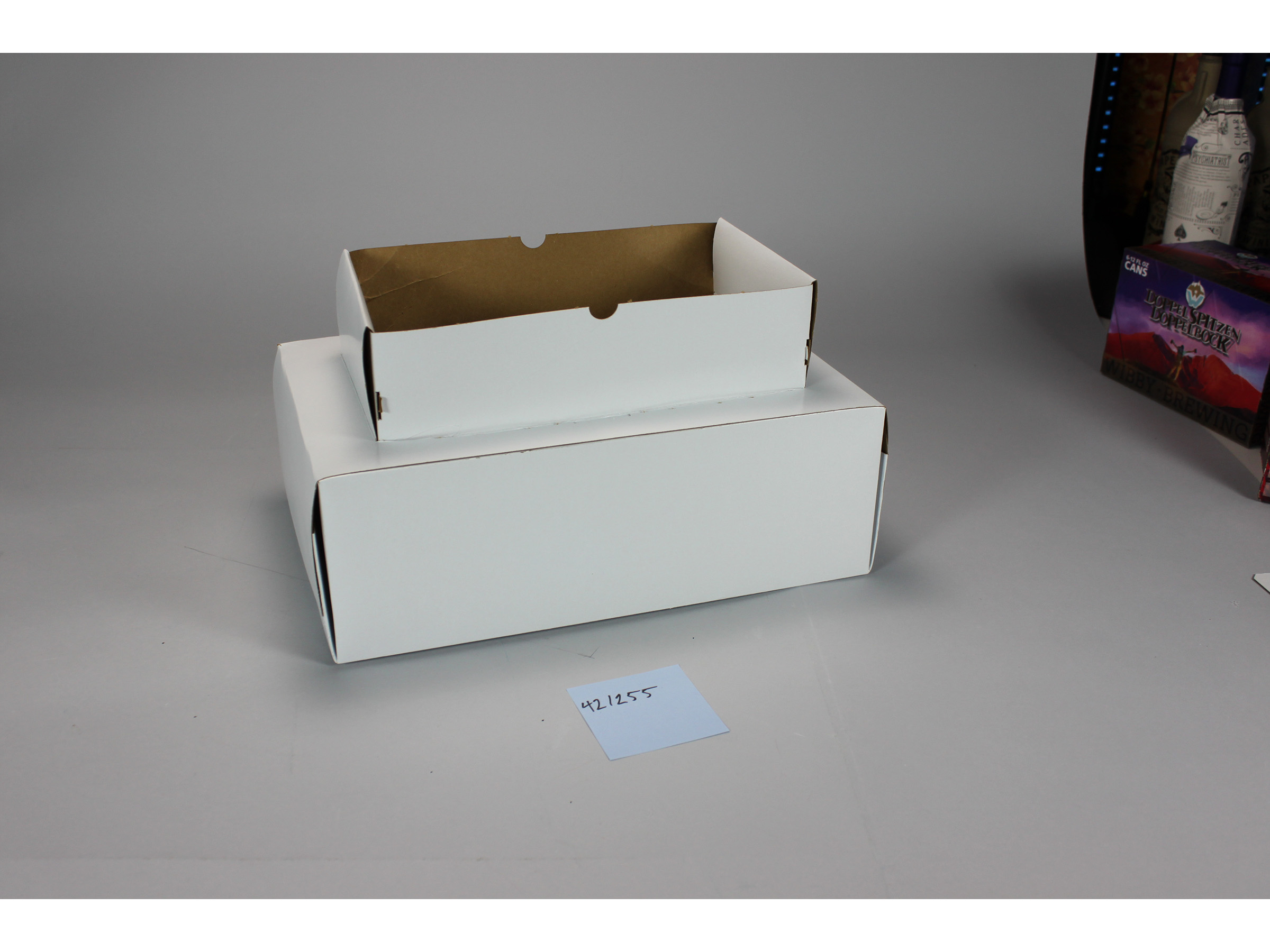
Standard coolerboxes in the design catalog

Our coolers weren't that cool

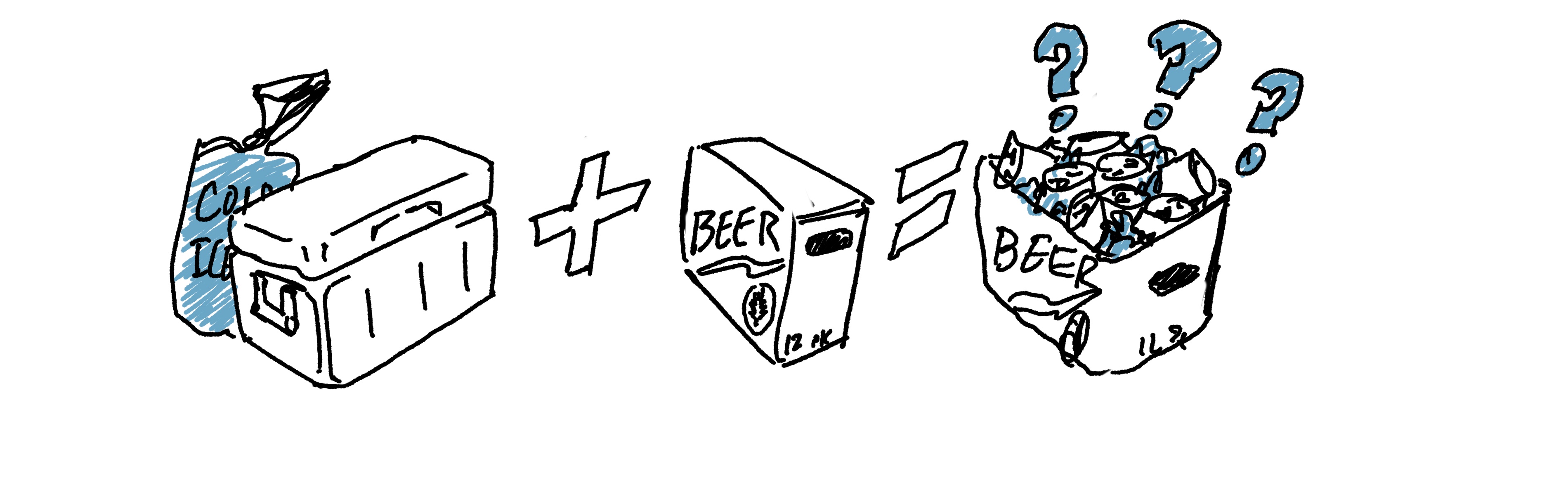
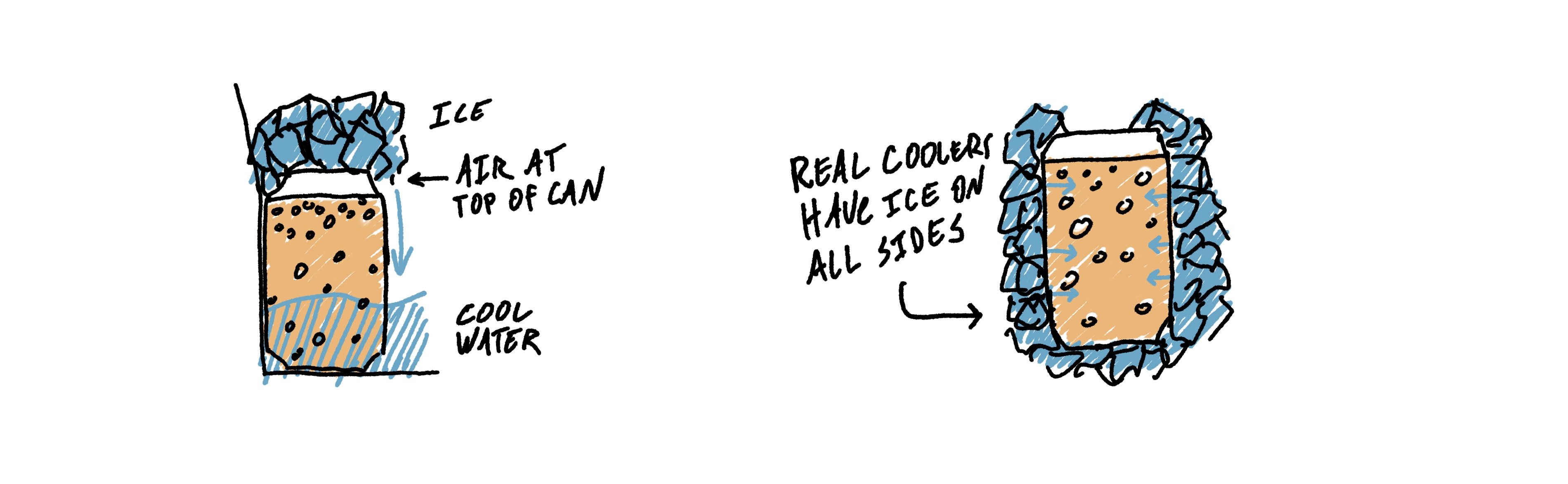
When it came down to it, customers weren't impressed with our solutions. The standing theory of how a coolerbox functioned was "ice on top, it melts on the beer cans and cools them off". There was a fundamental flaw in this line of thought. Once the ice is melted, it's no longer super cold ... so it'll never get the beer down to a refreshing temperature. Picture a can of beer floating in water that used to be ice - that's not the one you would grab.

Coolerboxes vs Coolers

It turns out that the coolerboxes had a fatal flaw. Because of the cans being so tightly packed, the ice would go on top of the cans, but there would be a layer of air in between the beer in the cans and the ice. Air is a great insulator, which means the ice would be very inefficient at transferring heat out of the cans. As it melted, cool water would accumulate at the bottom leaving the beer closer to room temperature than frosty.

thinking outside the box

We needed a way to manufacture more space in the box in between the cans. All our previous designs had focused on stacking ice vertically, but none had achieved anything horizontally. Something needed to change. Then I thought about an old life hack where you take an asian style takeout box, and flatten it to make a plate. The gusseted box would go from a watertight container to flat surface. Could I get something in between?

Controlled Expansion

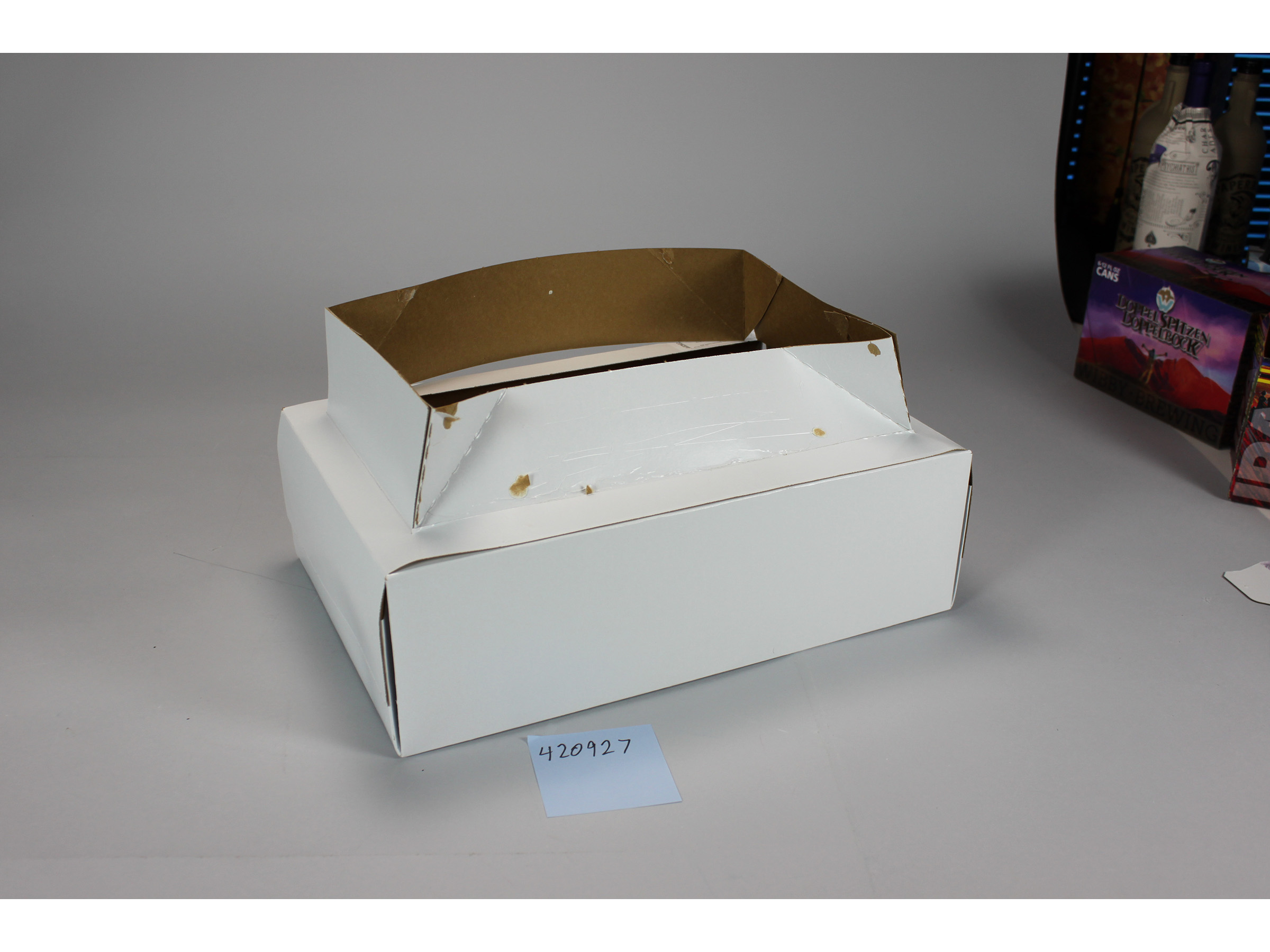
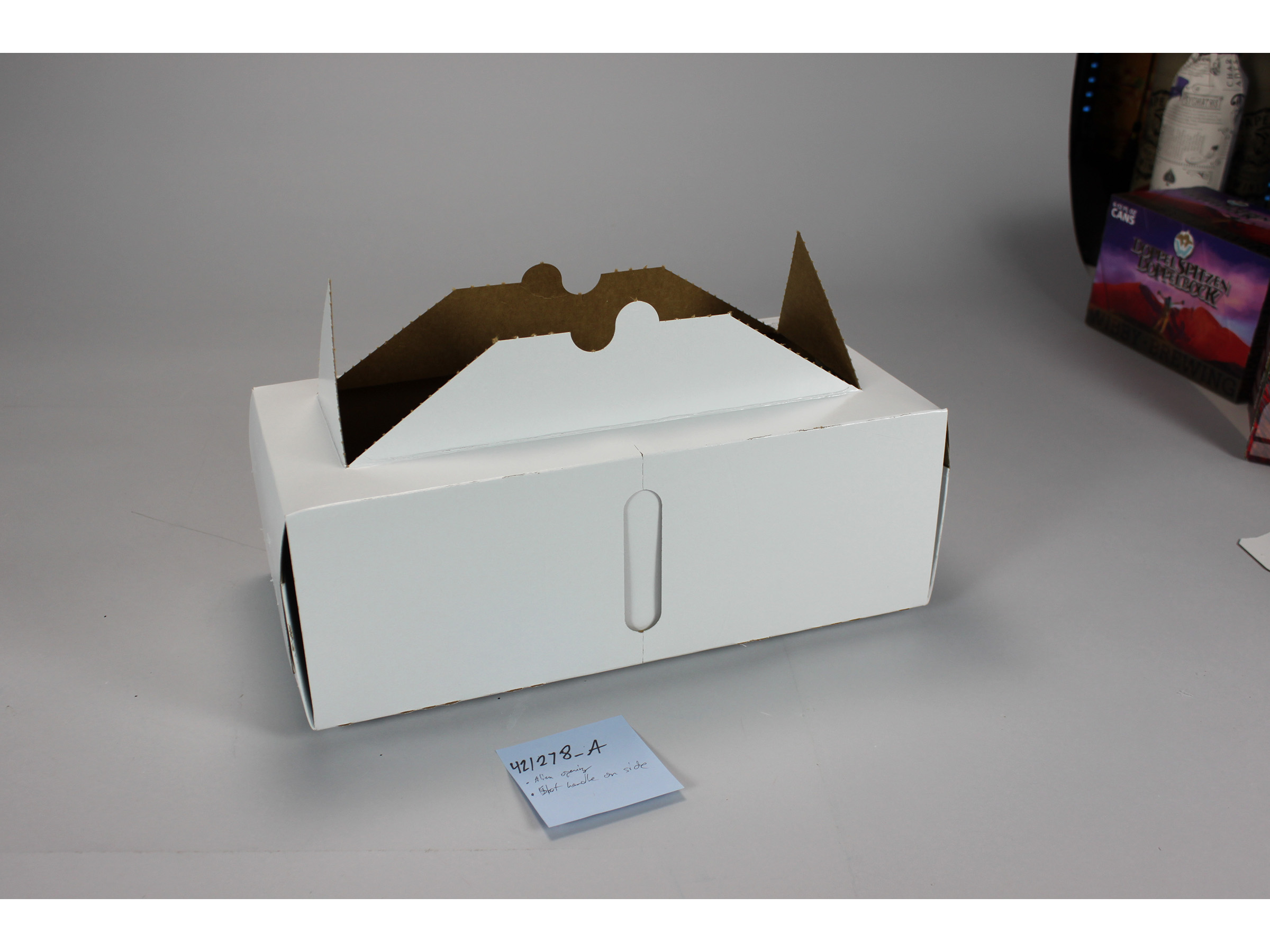
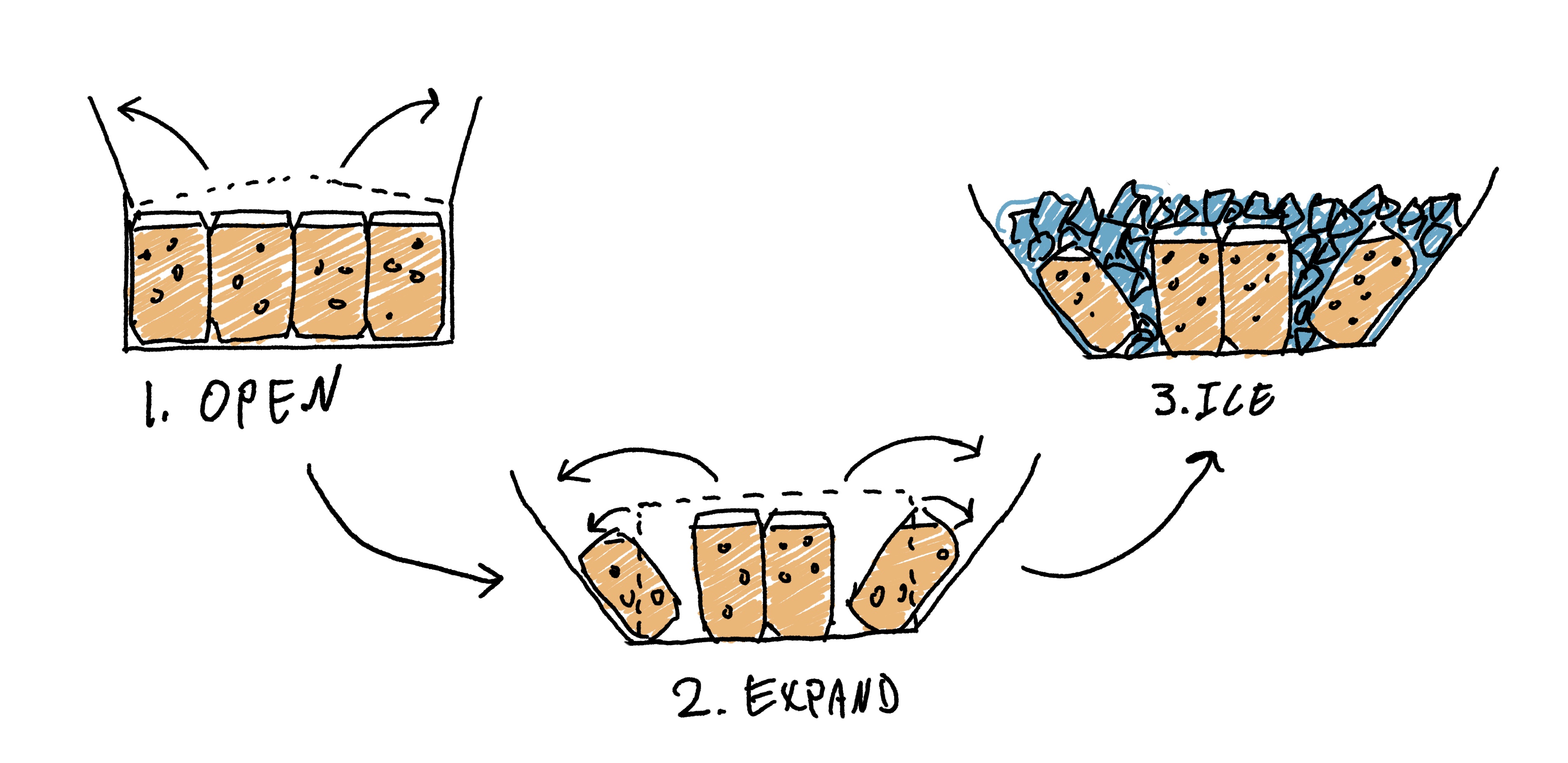
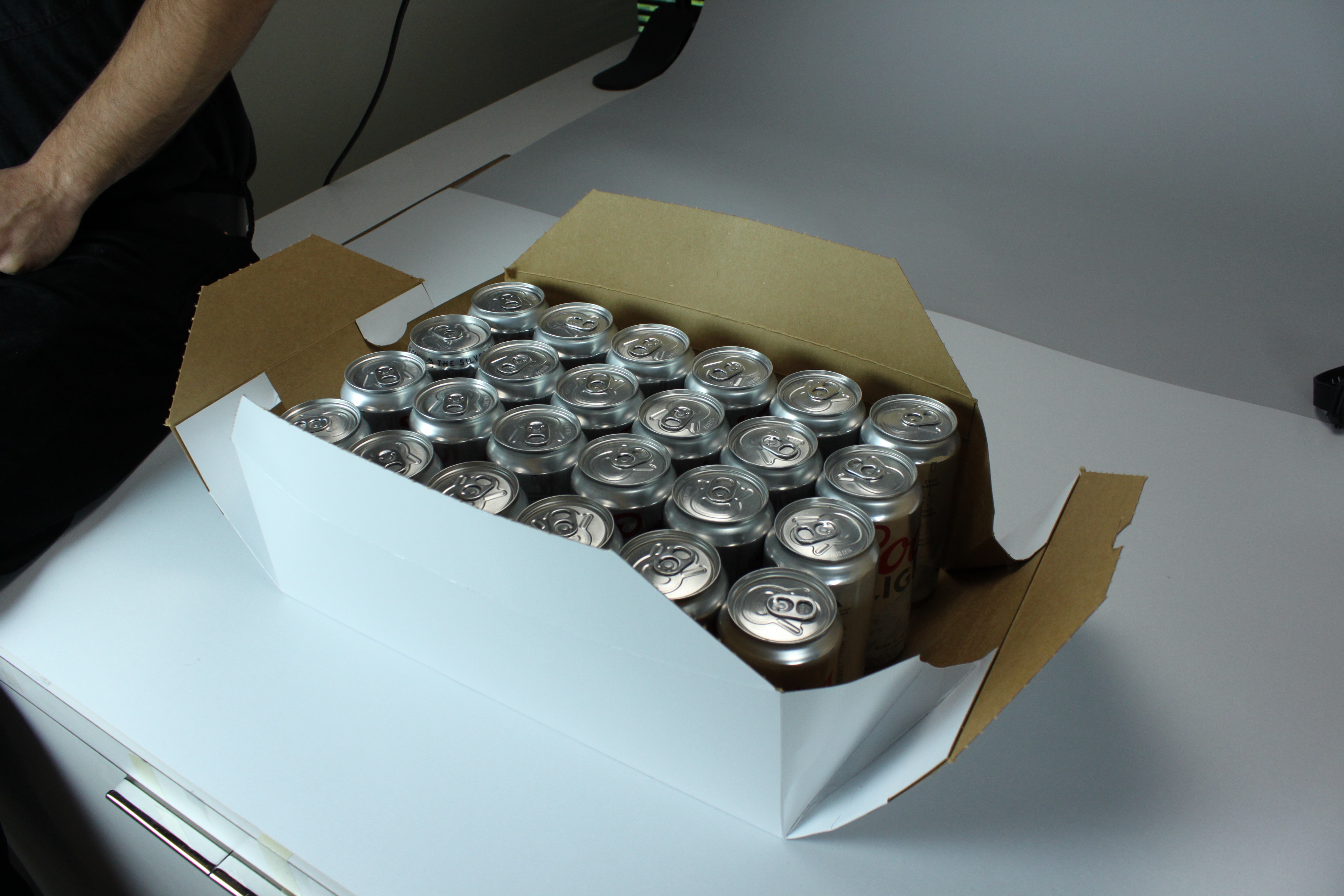
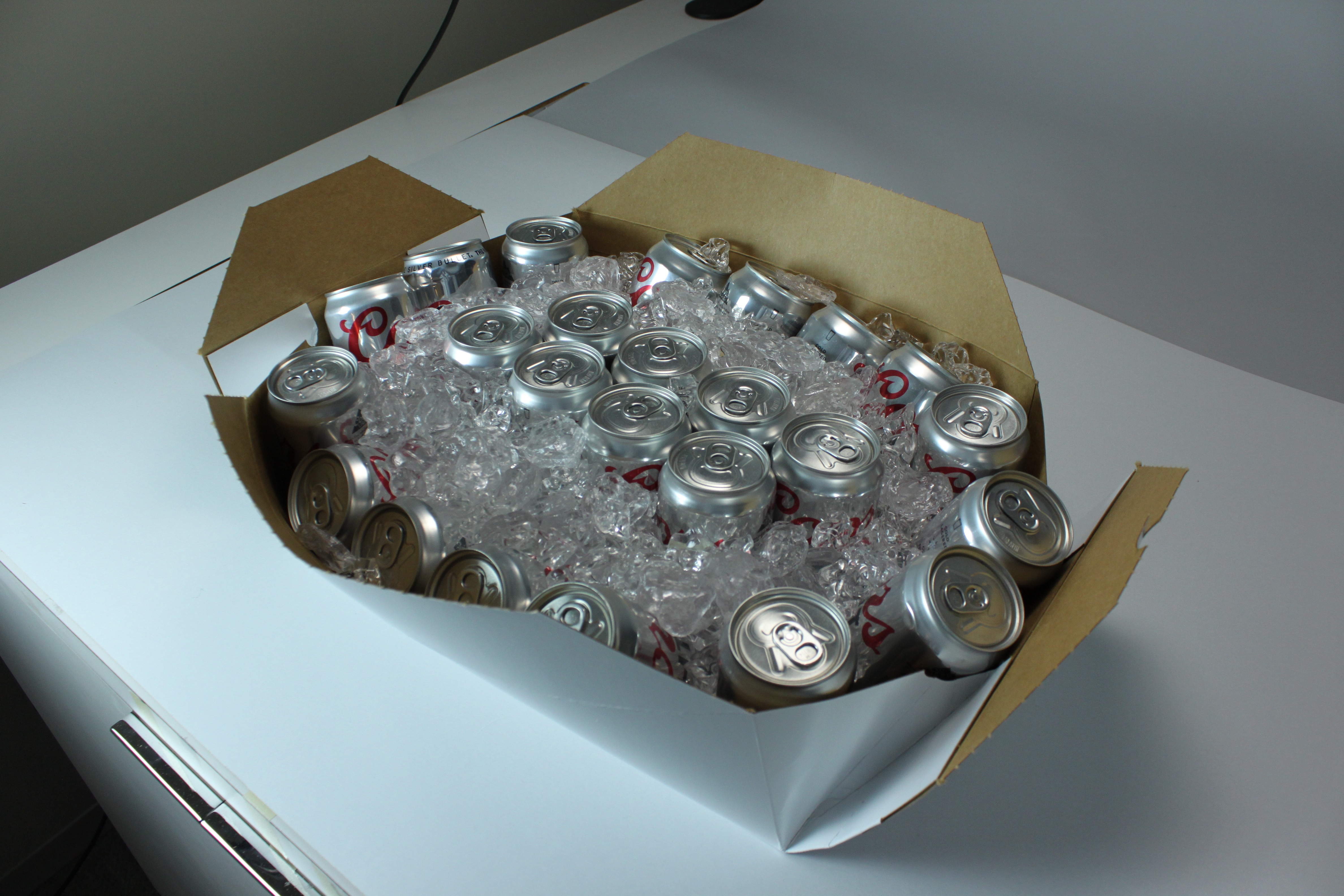
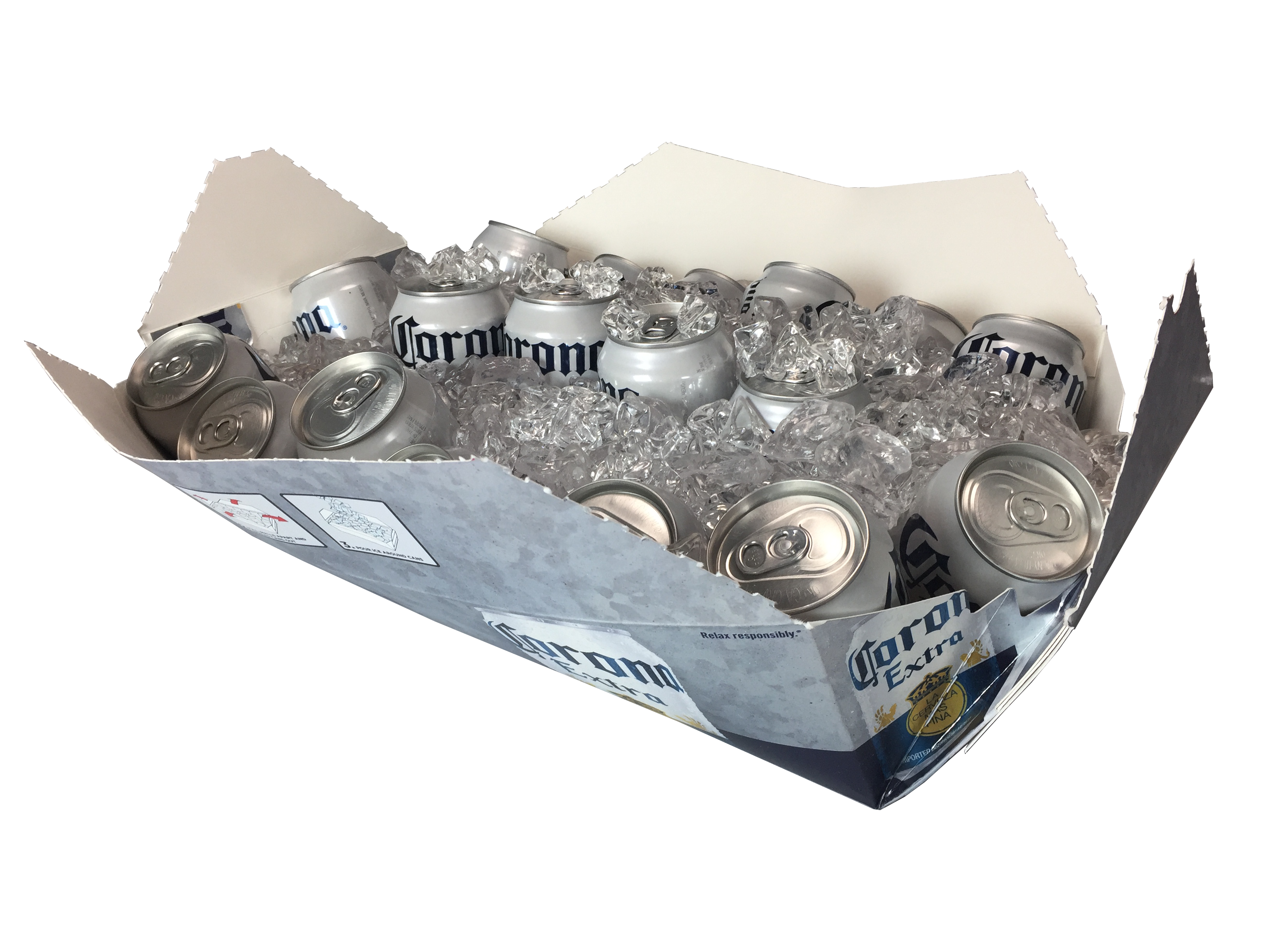
If I could design a box that held cans in a tightly packed grid for retail and transport but allow it to partially expand once it's ready to be used, we could buy ourselves space in between each can where ice could nestle into, and directly cool the beers without the pesky issue of the air layer insulating it.

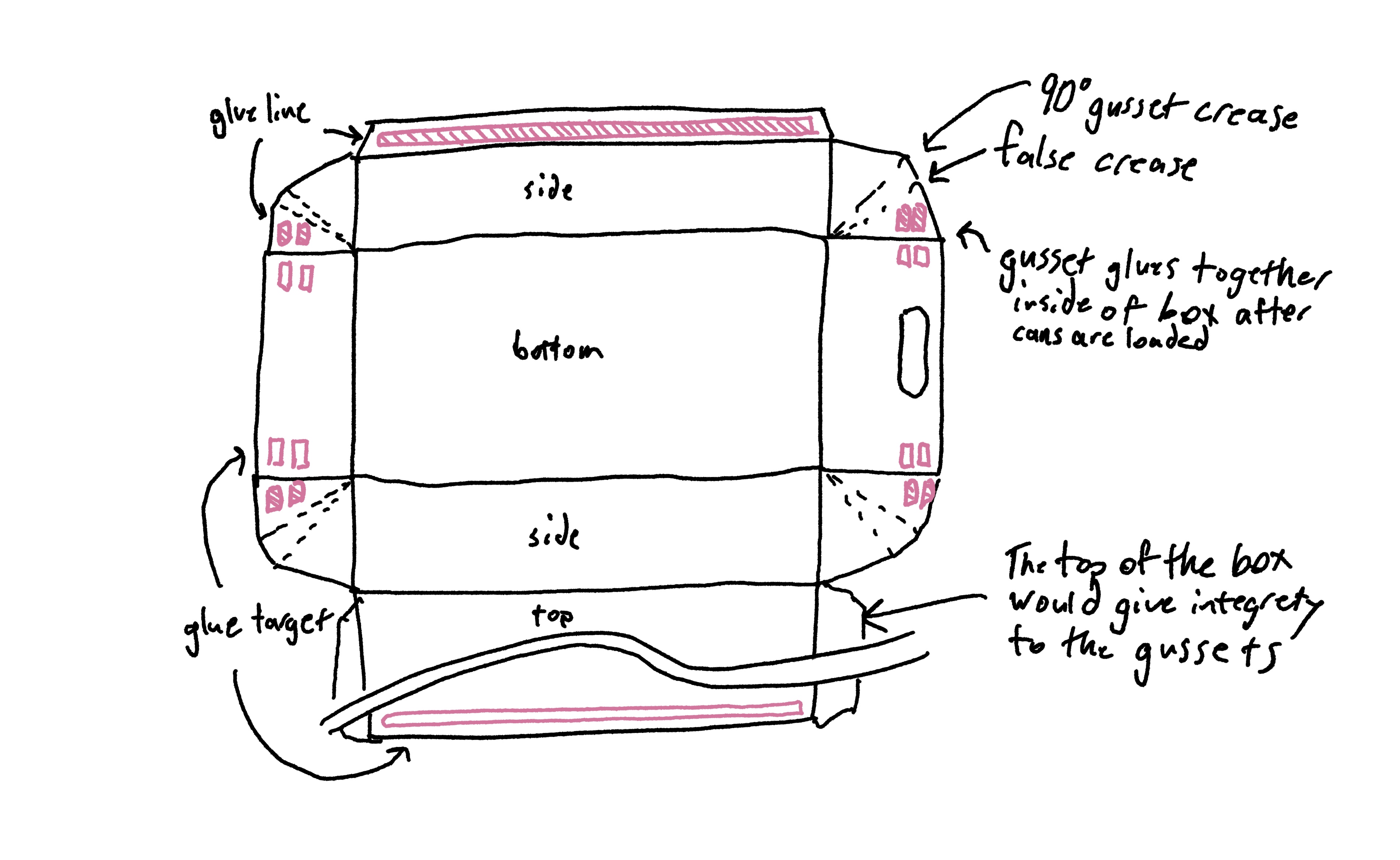
False creases

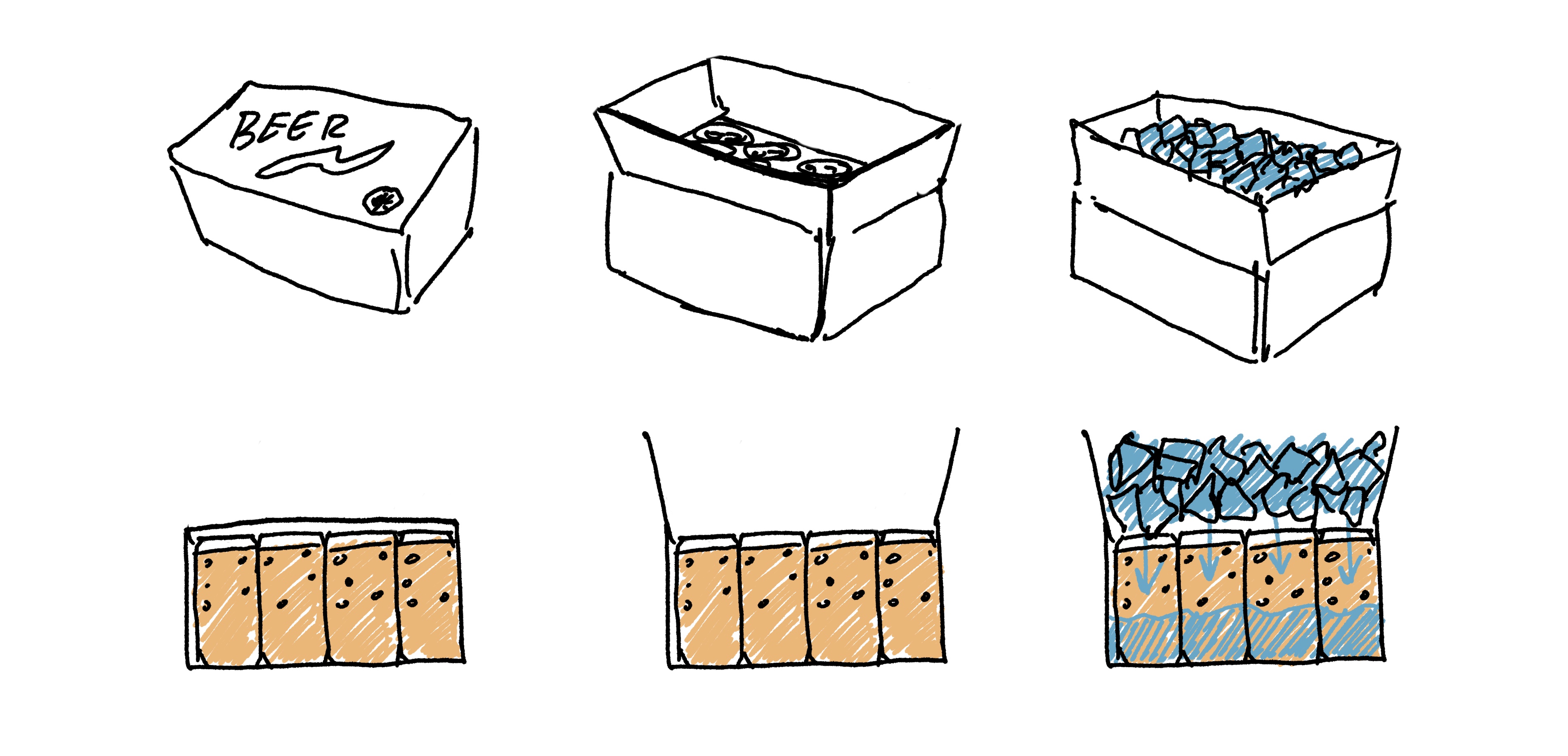
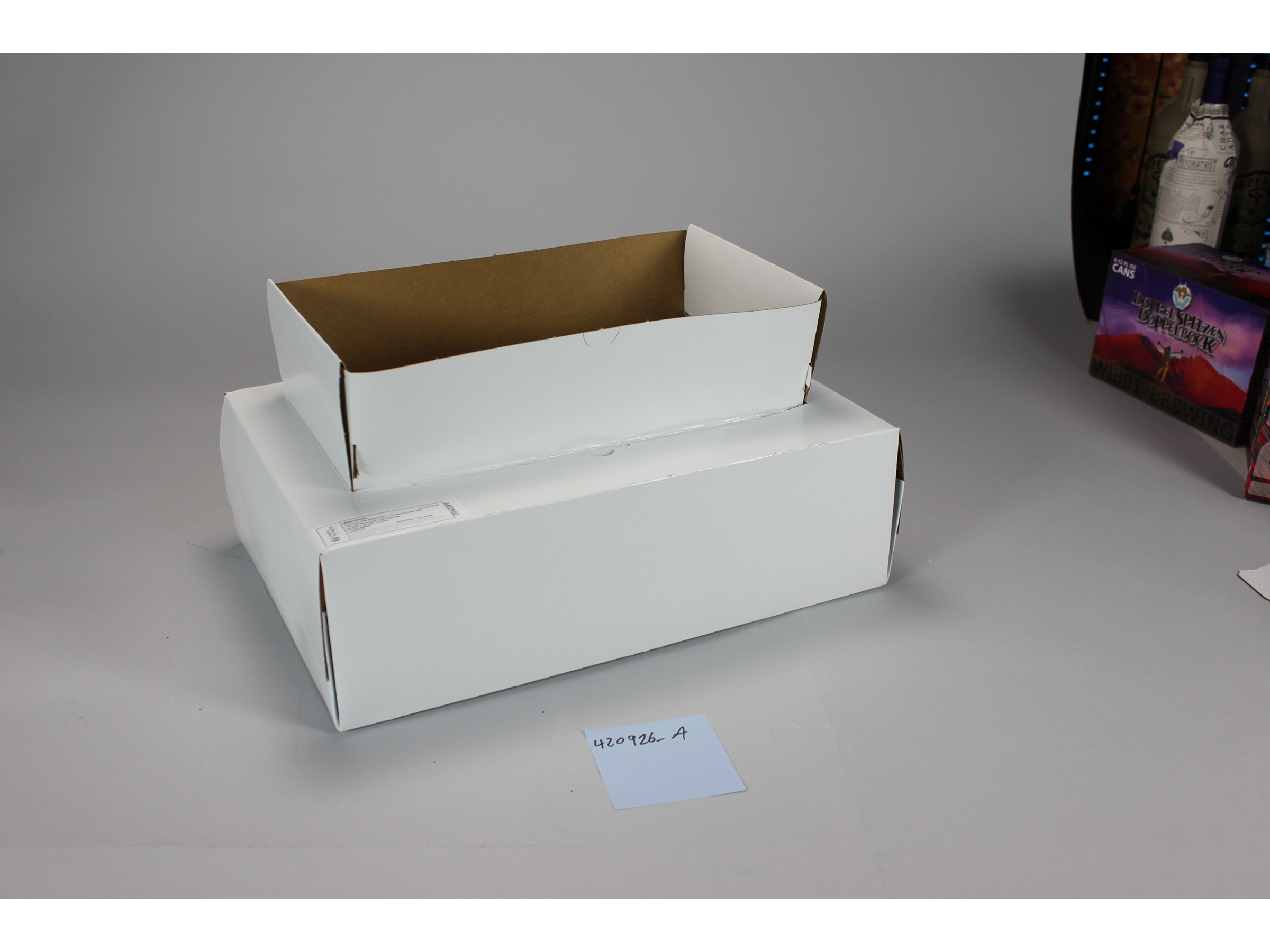
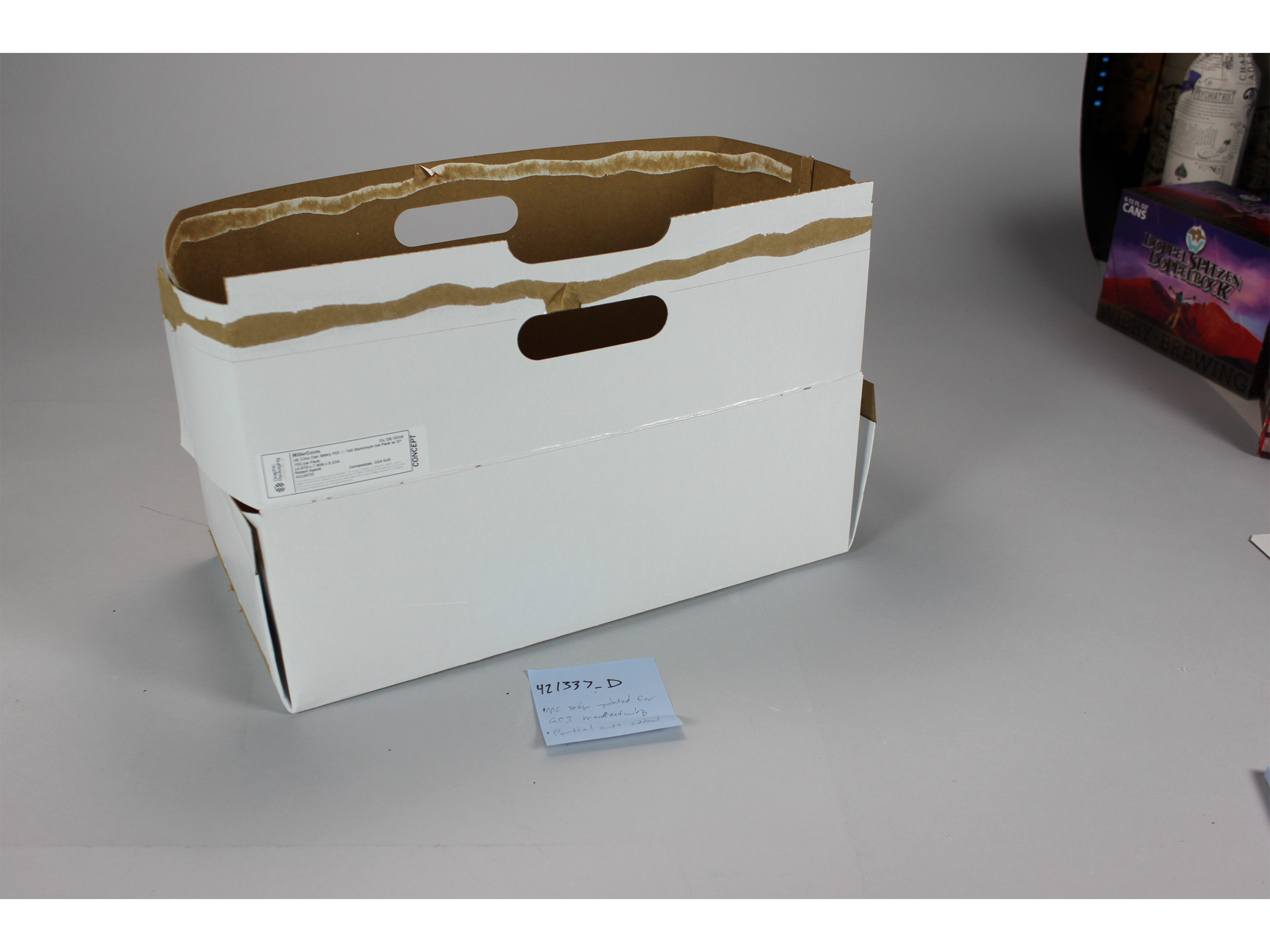
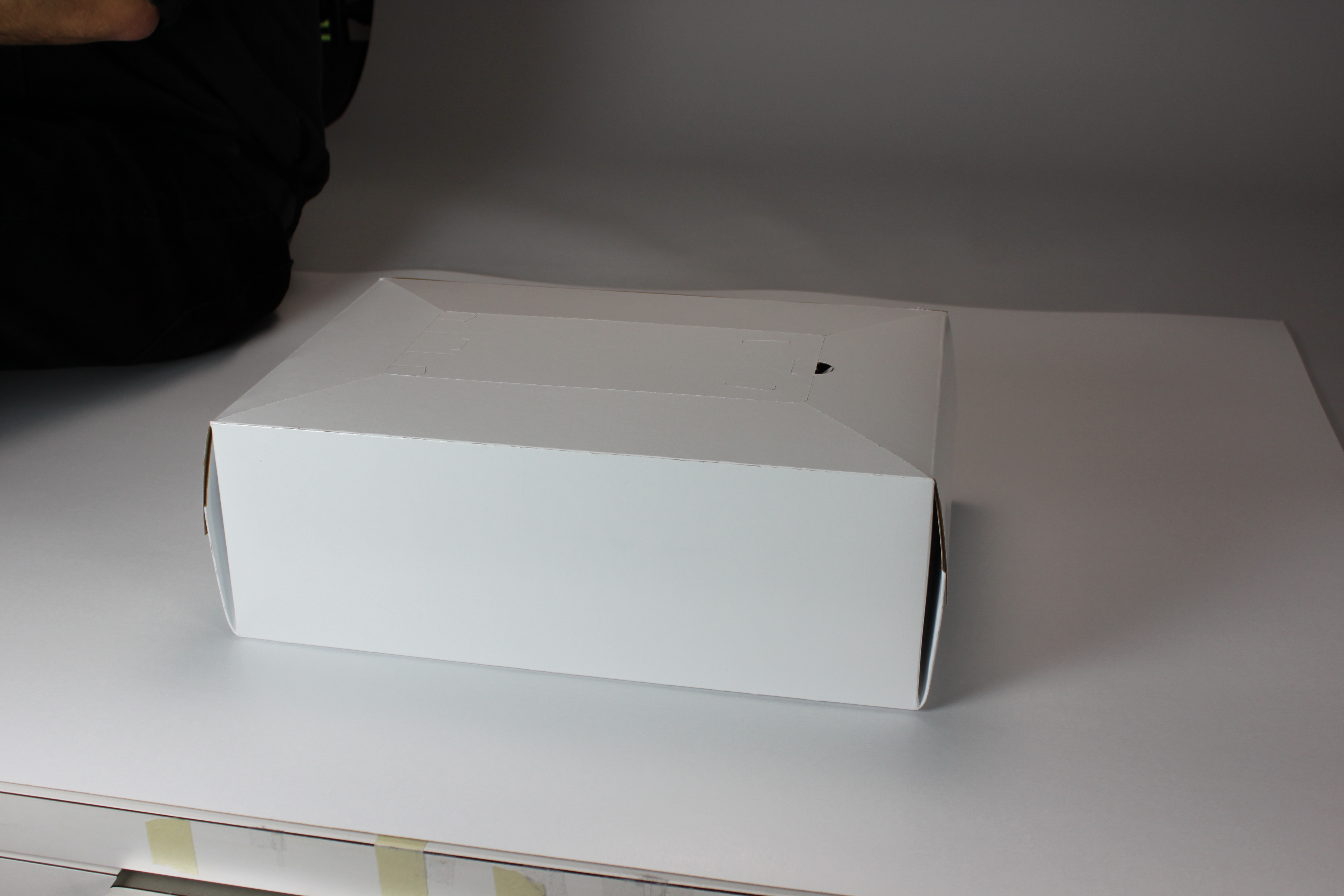
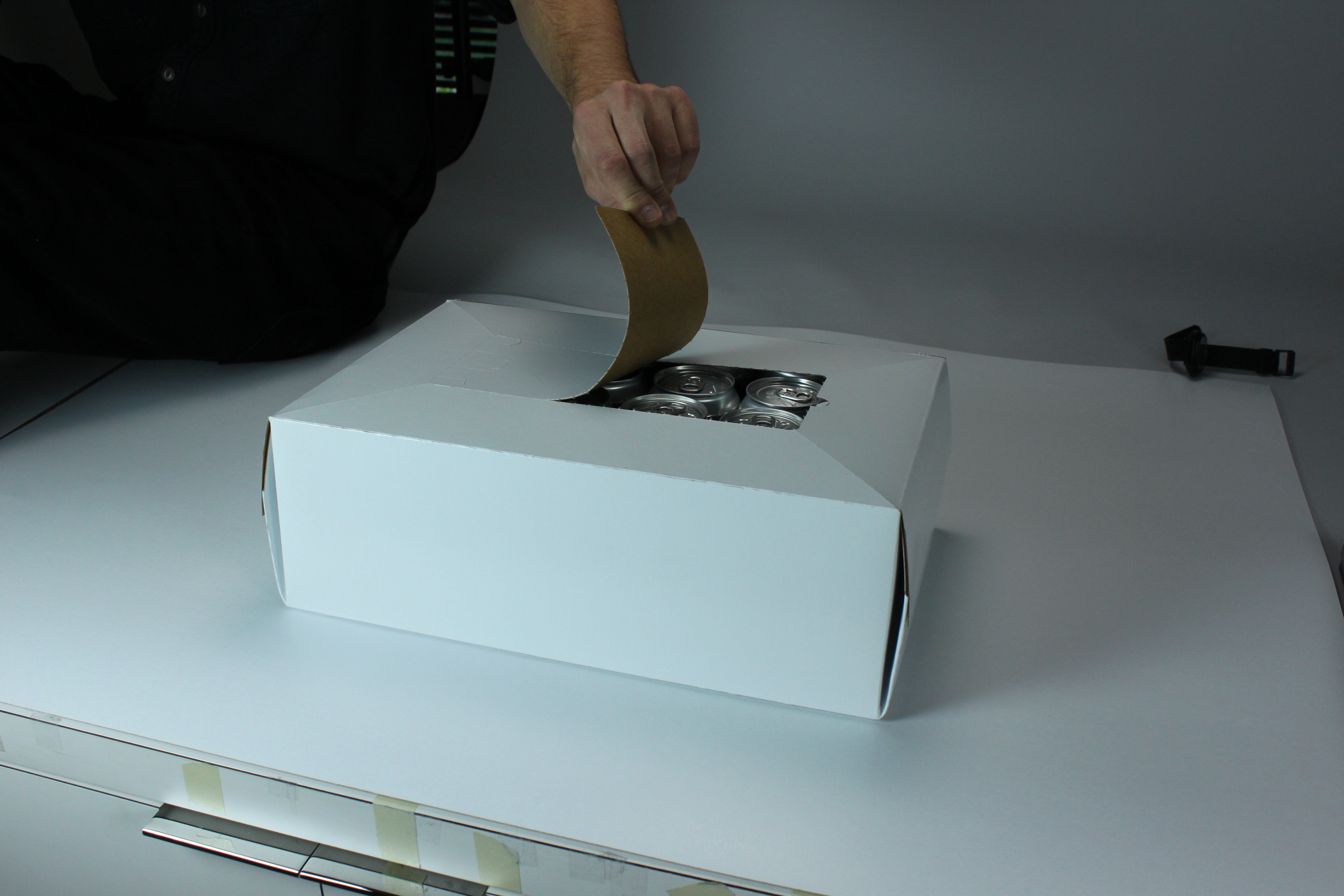
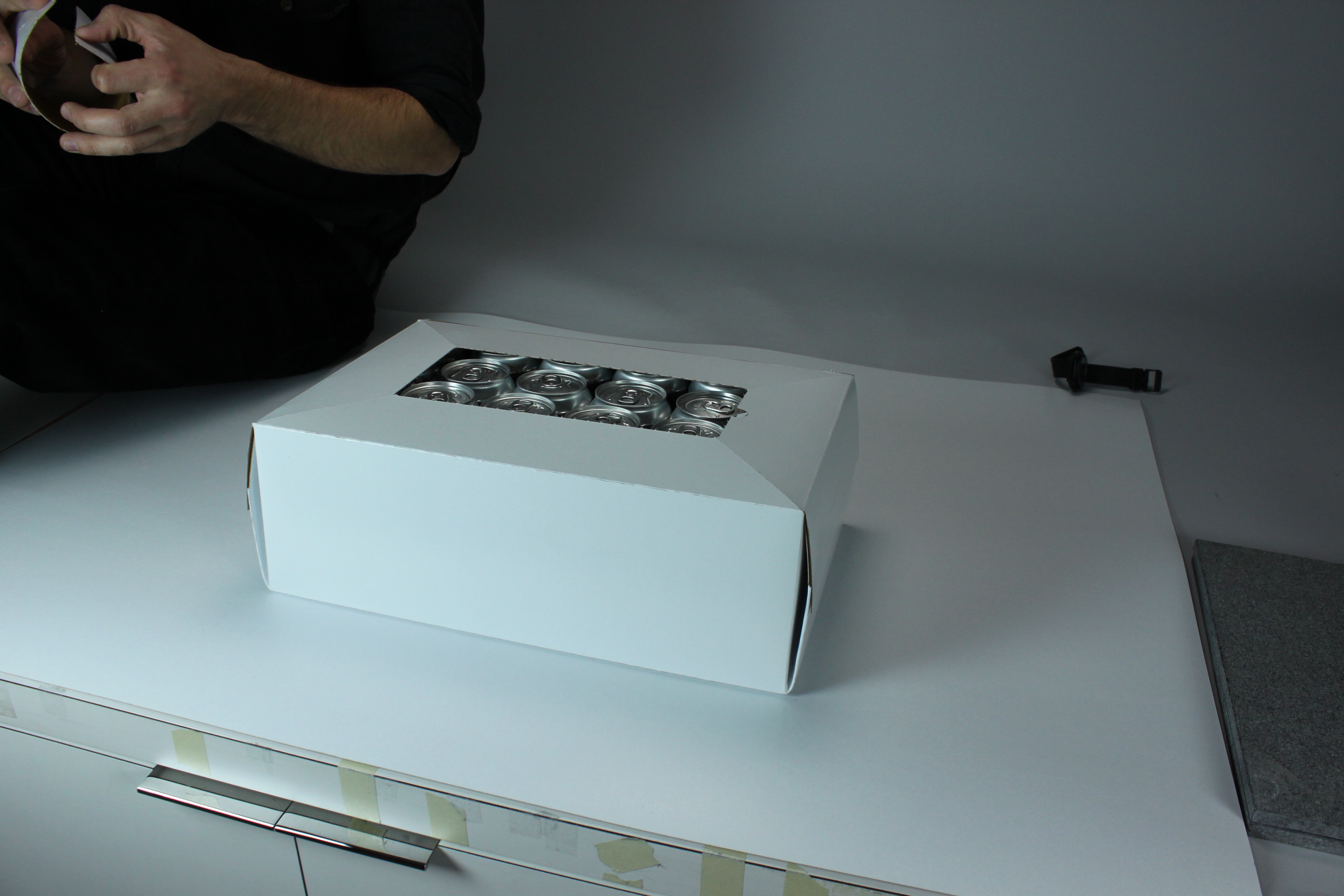
Here's the basic design I came up with. To get a gusseted box with parallel sides, the gusset would have a 45 degree crease. That would allow it to fold inside the box, which allows it to be watertight. By adding a false crease and some carefully placed glue targets, we could load cans tightly and seal the box. When the top of the box was torn open, the integrity of the box would be lost and it would fall open to the false creases, and be caught by the extra glue holding the gussets together.

360 Coolerbox Functionality

affordable + production ready = Cold Beers

We got the best of all worlds. My design did not require extra paper to form an expanding chimney for the ice to be held in, so the die line wasn't significantly larger than a typical budget package. It eclipsed our previous iterations with performance, and still was compatible with our automated loading machinery. A patent was filed and later awarded for the die line and functionality with me as the sole inventor listed.

Designing Instructions

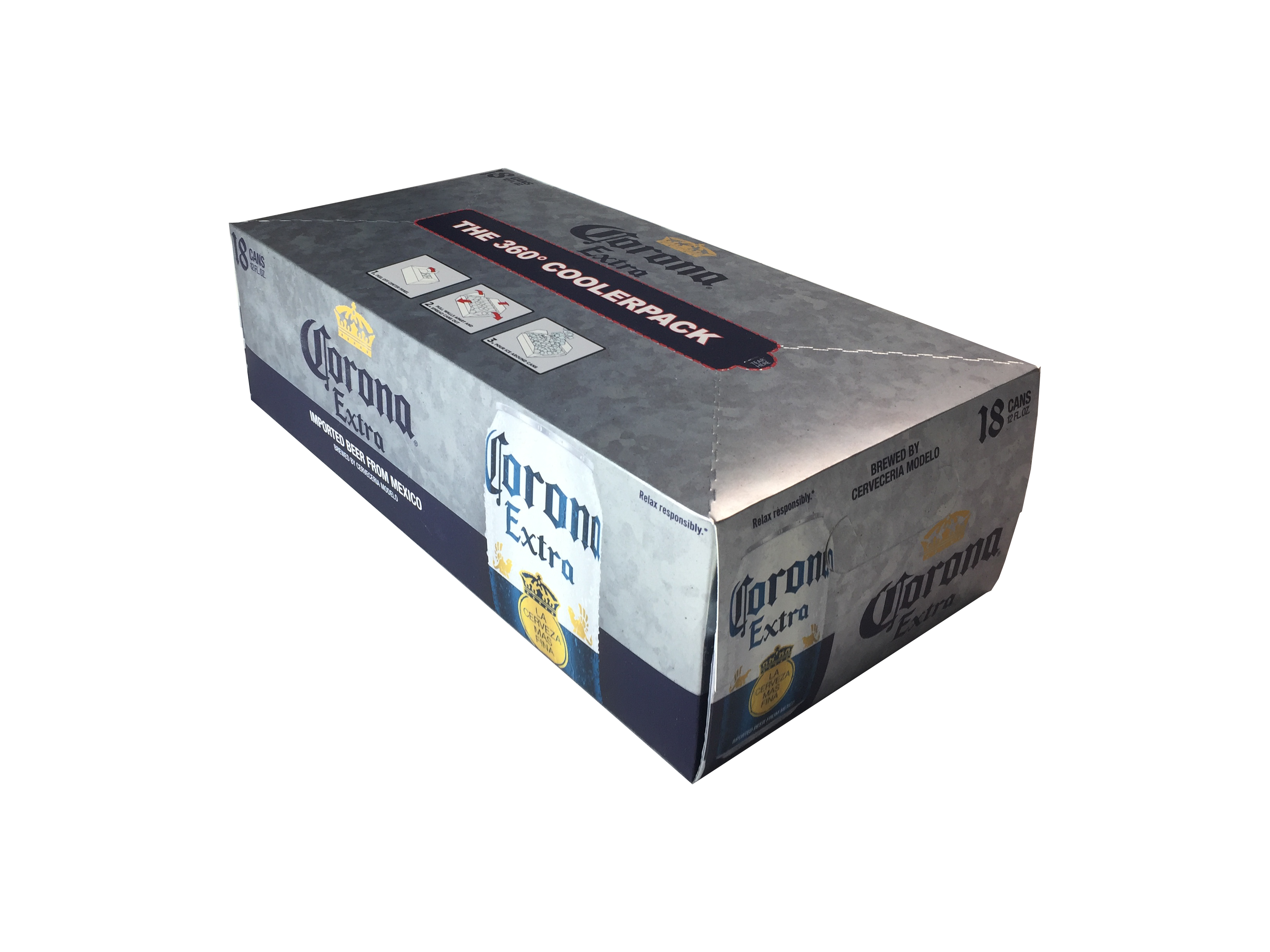
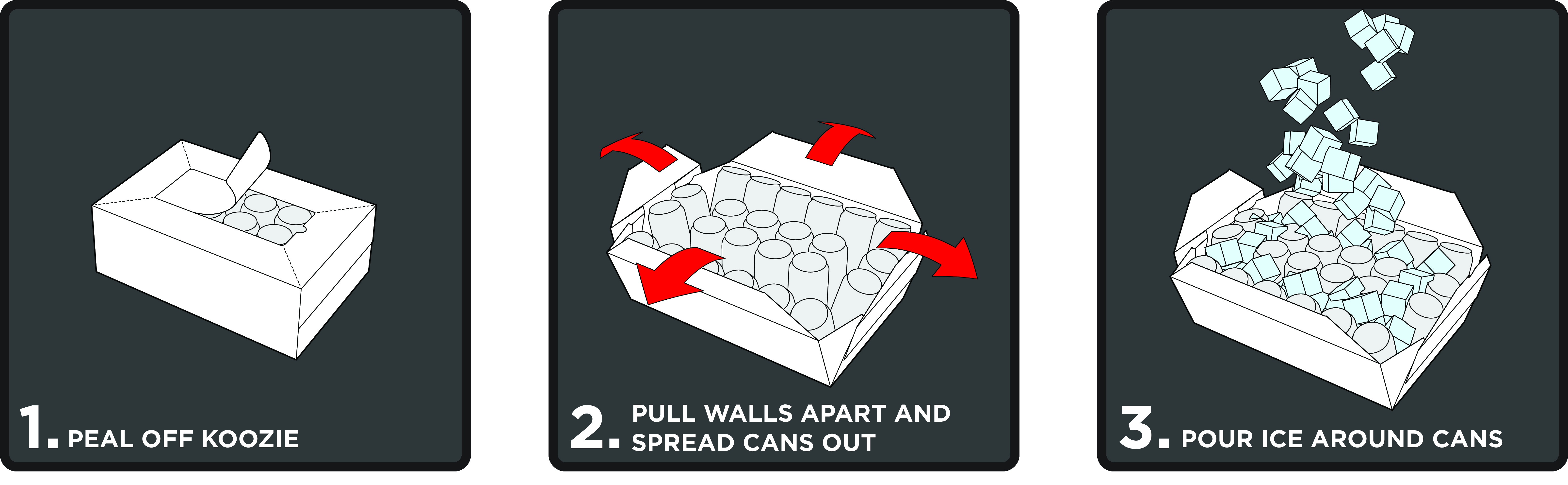
To help customers understand how to use the box, I made some simple instructions to be printed on it. I imported the die line vectors into Rhino, manipulated it into a 3d version as a closed box, open box, and one with ice. I then projected the 3d image onto a surface, and exported those as an svg. I was able to take those svg files and breathe some life into them in Adobe Illustrator.

Outcome

Our client met with us and we demonstrated the coolerbox during the meeting. Beers went from room temperature to around 34 degrees Fahrenheit while we presented, and they were sold on the concept. This box never got its full production run, but it saved a $100M/yr contract with a key client while renewing the company's commitment to innovation and cost savings. I worked with the company's patent attorney, and this design pending patent was awarded a full US patent a few years later.

Back to Top
Projects